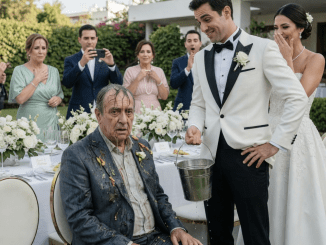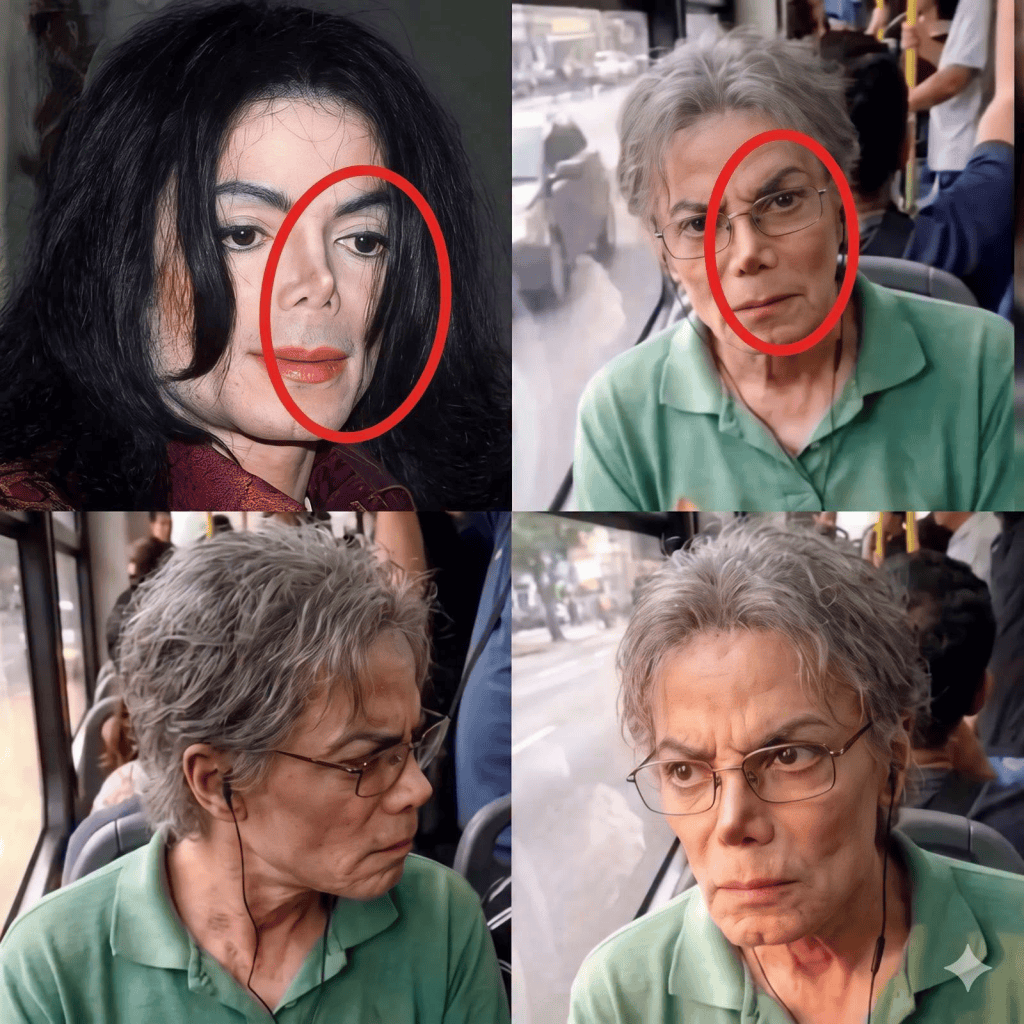
Alleged sightings of Michael Jackson are going viral again, but it’s best to check sources and avoid rumors.
Every so often, a similar story pops up on social media: someone claims to have seen Michael Jackson in a car, in a store, on a street, or in a blurry image. The headline is usually accompanied by phrases like “see more,” “nobody can believe it,” or “the proof that confirms everything.” For many fans, these kinds of posts pique their curiosity; for others, it’s just another viral rumor.
Michael Jackson was one of the most influential figures in modern music. His death on June 25, 2009, had a global impact. Since then, his artistic legacy has lived on through his songs, videos, documentaries, concerts, tributes, and new generations discovering his work. But alongside this memory, theories, alleged sightings, and publications claiming he is still alive have also circulated.
The problem is that an extraordinary claim needs serious evidence. A blurry photo, a video without context, or a person’s physical resemblance aren’t enough to confirm something so important. Therefore, before sharing this type of content, it’s important to understand why it goes viral and how to distinguish between curiosity, homage, misinformation, and baseless rumors.
Why does Michael Jackson continue to generate so much attention?
Michael Jackson was no ordinary artist. He was a global figure from childhood, first with The Jackson 5 and then as a solo artist. His music, choreography, music videos, and visual style shaped popular culture for decades.
Songs like “Billie Jean,” “Beat It,” “Thriller,” “Smooth Criminal,” and “Black or White” continue to be played around the world. His dance moves, his glove, his jackets, and his stage presence have become recognizable symbols, even for people born after his heyday.
When a figure reaches that level of impact, the public doesn’t easily forget them. That emotional permanence explains why any rumor related to them can generate millions of views.
What is officially known about his death
According to official reports and reputable media outlets, Michael Jackson died on June 25, 2009, in Los Angeles, at the age of 50. The cause was acute propofol intoxication, a powerful anesthetic, along with other medications. His death was ruled a homicide, and his personal physician, Conrad Murray, was convicted of involuntary manslaughter in 2011.
These events are part of the public record. Therefore, any claim that someone saw him alive years later should be treated as a rumor until verifiable and reliable evidence exists.
Nostalgia may make many people want to believe a different version, but affection for an artist should not be confused with proof.
Why do alleged sightings appear?
Alleged sightings of deceased celebrities are nothing new. It’s happened with Elvis Presley, Tupac Shakur, Marilyn Monroe, and other famous figures. Sometimes they arise from photos of lookalikes. Other times they originate from edited videos, pranks, conspiracy theories, or posts designed to generate clicks.
In the case of Michael Jackson, his image was so recognizable that anyone with a hat, glasses, black hair or similar features could be presented as “proof” by sensationalist websites.
The emotional desires of some fans also play a role. When someone deeply admires an artist, accepting their death can be difficult. Survival theories can serve as a way to keep hope alive, even without real evidence.
How viral headlines manipulate curiosity
Many headlines don’t directly state something verifiable. They use open-ended phrases: “a man claims,” ”he was seen in a car,” “the image no one can explain,” “he revealed something shocking.” This style doesn’t inform; it provokes curiosity.
The intention is usually to get the user to click, comment, or share. Sometimes the content contains no new evidence, just an old image, a photo taken out of context, or a vague explanation.
A responsible headline should clearly state whether it’s a rumor, a theory, a joke, an archive image, or a confirmed news story. If it doesn’t, it’s wise to be suspicious.
A picture doesn’t always prove what it seems
On the internet, an image can circulate for years with different contexts. An old photograph can be published as if it were recent. A scene from a movie can be presented as real. A lookalike, impersonator, or fan in disguise can be mistaken for a celebrity.
There are also editing tools, artificial intelligence, and image manipulation techniques that make it easier to create deceptive images. Therefore, when you see a supposed “proof,” it’s advisable to check several details: the original date, the source, the media outlet that published it, the location, the image quality, and whether other reliable sources have verified it.
If it only appears on rumor sites or unreliable accounts, it should not be treated as news.
The role of doubles and impersonators
Michael Jackson has many imitators around the world. Some dedicate themselves professionally to recreating his movements, wardrobe, and style. At events, tourist streets, shows, and on social media, it’s common to see people trying to look like him.
This could explain many alleged sightings. A person can look very much like a celebrity without actually being them. They might even do so intentionally as part of a show or tribute.
Mistaking an imitator for a real test is one of the most common mistakes in these types of stories.
Why do theories about “alive” celebrities spread so much
Conspiracy theories often grow because they offer an alternative explanation for events that are difficult to accept. In the case of a celebrity death, the official story may feel painful or incomplete to some followers. A theory can seem more exciting than reality.
Furthermore, social media platforms reward content that generates a reaction. If a post provokes surprise, anger, hope, or discussion, it can spread faster. It doesn’t matter if it’s true; often, it’s enough that it’s eye-catching.
That’s why theories about deceased celebrities can be repeated for decades.
How to verify before sharing
Before sharing a story about an alleged sighting, check if reliable sources have confirmed it. Use a reverse image search to find the original image. See if the source has a history of publishing rumors. Read beyond the headline. Verify dates and locations.
Also ask yourself if the content presents real evidence or is just an emotional claim. If a story truly changed the official history of a figure like Michael Jackson, it wouldn’t be relegated to a small page with an incomplete headline; it would be covered by international media, official documents, and verifiable sources.
Sharing without checking can fuel misinformation.
Respect for artistic legacy
Talking about Michael Jackson can be done without resorting to rumors. His musical legacy is vast enough. His albums, videos, concerts, choreography, and contributions to pop culture remain relevant.
It’s also worthwhile to analyze how his figure continues to generate conversation, how his influence endures, and how new generations connect with his music. You don’t need to have seen him alive to recall his impact.
The best way to honor an artist is to treat their story with respect, not to turn their death into an endless chain of speculation.
Common mistakes in this type of publication
The first mistake is believing that a blurry image confirms something extraordinary. It’s not enough for someone to simply look like them.
The second mistake is sharing based on emotion without reading the full content. Many headlines promise more than they actually deliver.
Another mistake is confusing homage with evidence. An imitator, a statue, an antique scene, or a reenactment does not prove a sighting.
It’s also a mistake to attack those who have doubts. Asking for evidence isn’t disrespectful; it’s a basic part of responsible reporting.
Conclusion
Rumors about alleged Michael Jackson sightings resurface because his figure remains enormous in popular culture. His music, his image, and his story continue to evoke strong emotions. But a viral claim doesn’t become true just because many people share it.
What is officially documented is that Michael Jackson died in 2009. Stories of people claiming to have seen him in a car or elsewhere should be treated as rumors until there is serious, verifiable evidence backed up by reliable sources.
Curiosity is normal. Misinformation is not. Before sharing, it’s wise to check, compare, and think. Michael Jackson’s legacy is already powerful enough without turning it into a permanent mystery.
Information responsibility statement
This article is for informational, cultural, and digital literacy purposes. It does not claim that Michael Jackson has been seen alive, nor does it validate rumors without evidence. Information about deceased public figures should be treated with respect, using reliable sources and care to avoid spreading misinformation. Viral images or videos may be out of context, edited, or may be from impersonators, old files, or fabrications.