Geopolitical Shakeup: Iran Stuns the World with a Dramatic Announcement
The global political landscape has been thrown into complete disarray following a massive breaking development out of the Middle East. A stunning public statement from Tehran has completely reversed diplomatic expectations, caught international intelligence agencies off guard, and sent immediate shockwaves through global energy and financial markets. This unexpected declaration marks a critical turning point in the fragile framework of modern international relations, completely shifting the balance of power in the region. Analysts are working around the clock to decipher the long-term strategic intentions behind this abrupt policy pivot, which comes at a time of heightened regional instability. The breaking news has already triggered urgent consultations among Western allies and global superpowers who are scrambling to formulate an effective response. As details continue to emerge from official state media outlets, the international community remains deeply transfixed by the rapidly escalating situation. This viral development represents one of the most significant diplomatic shifts in recent memory, forever altering how global powers engage with Middle Eastern geopolitics.
Deep Analysis of the Major Geopolitical Breakthrough
The core of this shocking announcement revolves around a massive shift in defensive capabilities and international treaty compliance. Official state channels have confirmed that a major geopolitical breakthrough in Iran has been finalized, upending months of delicate behind-the-scenes negotiations with global standard-setting bodies. The timing of this disclosure appears calculated to maximize diplomatic leverage on the world stage during a period of economic vulnerability. International security experts suggest that this strategic move was designed to fundamentally alter current sanctions frameworks and establish a new baseline for regional security. The initial shock from the global community stems not just from the decision itself, but from the absolute secrecy under which the entire operation was conducted. Major intelligence networks are facing heavy scrutiny for failing to predict a policy shift of this magnitude before it was broadcast to the general public. As the official text of the decree circulates through global diplomatic cables, the sheer scope of the announcement is forcing nations to completely rewrite their foreign policy playbooks overnight.
Immediate Reactions from Western Allies and Global Superpowers
The response from Western capitals to this breaking Middle East news was almost instantaneous, characterized by an intense mix of profound shock, public skepticism, and urgent defensive restructuring. High-ranking government officials across Washington, London, and Brussels have called for immediate, high-level emergency summits to thoroughly evaluate the strategic security risks posed by Tehran’s new stance. Military command centers throughout the region have been placed on heightened surveillance status to closely monitor any sudden troop movements or infrastructural shifts. Diplomatic envoys are actively working to maintain unity among coalition partners who may hold differing views on how to counter this unexpected political reality. The public rhetoric from global leaders remains cautious but firm, emphasizing that any violation of existing maritime or territorial agreements will meet severe consequences. This sudden escalation has effectively frozen ongoing diplomatic tracks, replacing active cooperation with a tense, highly defensive posture on both sides of the geopolitical aisle.
Visual Analysis of the Viral State Media Broadcast
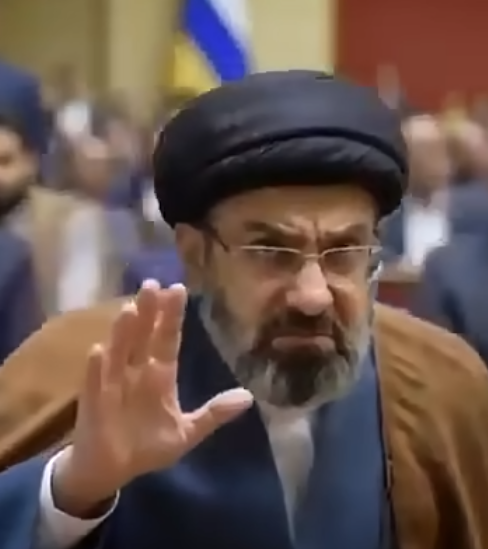
A closer examination of the official media presentation reveals a highly coordinated and sophisticated communication strategy deployed by the state. The breaking news broadcast featured senior state officials delivering the official decree against a backdrop of highly symbolic national imagery designed to project absolute strength and stability. The precise, uncompromising body language of the spokespersons conveyed a message of absolute confidence, signaling to external adversaries that the nation is fully prepared to defend its new policy direction. This visual calculatedness was immediately picked up by major global news networks, which rebroadcast the raw feed to hundreds of millions of viewers worldwide. Digital media tracking tools indicate that the broadcast became the most discussed global topic within minutes of its initial airing, driving massive traffic across all major news aggregate platforms. The professional production value of the media release suggests that the entire announcement was planned months in advance, completely contrasting the narrative of a spontaneous policy shift.
Financial Crises and the Looming Shock in Global Energy Markets
Beyond the immediate political fallout, the economic consequences of this unpredicted development have begun to ripple violently through international trading floors. The Strait of Hormuz conflict risk has dramatically escalated, driving global crude oil prices to sudden, multi-month highs within hours of the public broadcast. Energy traders are price-factoring the distinct possibility of major maritime shipping disruptions along the world’s most critical energy transit corridors. Major maritime logistics firms are already re-routing container ships and oil tankers away from potentially hostile waters, a massive operational shift that will undoubtedly increase global supply chain costs. Financial analysts warn that if the current diplomatic impasse continues to degrade into active maritime blockades, the broader global economy could face a severe inflationary shock. Stock indexes across New York, London, and Tokyo have experienced sharp downward corrections as investors flee volatile equities in favor of traditional safe-haven assets like gold and sovereign bonds.
Long-Term Strategic Security Implications for Regional Stability
The long-term geopolitical landscape of the Middle East will never be the same following this calculated demonstration of sovereign independence. Neighboring Gulf states are currently reassessing their own defensive alignments and bilateral security agreements in light of the changing military balance. The sudden reality of an emboldened state actor in the region is forcing a massive acceleration in defense spending and localized military modernization programs. Regional defense analysts suggest that the traditional deterrent strategies utilized by Western coalitions for decades may no longer be sufficient to preserve maritime peace. The potential for miscalculation between opposing naval forces operating in tightly confined international waters has reached its highest level in a generation. As international mediators desperately attempt to establish open communication channels between the opposing factions, the risk of a localized incident escalating into a broader conflict remains dangerously elevated.
The Digital Echo Chamber and the Mechanics of Modern Disinformation
The massive digital footprint generated by this breaking news highlight underscores the immense power of alternative media channels in shaping modern public perception. Millions of internet users have actively shared the initial viral international conflict clip, generating thousands of spin-off discussions, unverified analytical breakdowns, and speculative narrative arcs. Digital literacy experts warn that events of this scale create an ideal breeding ground for highly sophisticated state-sponsored disinformation campaigns designed to sow public panic. The deliberate use of dramatic, open-ended headlines on social media feeds effectively manipulates user curiosity, driving massive engagement metrics while bypassing traditional journalistic verification. As the digital echo chamber continues to amplify conflicting reports from unverified sources, the task of discerning factual developments from manufactured political theater becomes increasingly difficult for the average citizen. This ongoing information crisis emphasizes the vital necessity for public viewers to rely strictly on verified, high-credibility international journalism networks when consuming breaking news. Ultimately, this profound geopolitical event serves as a stark historical marker, proving that in the modern digital age, a single strategic announcement can instantly reshape the security architecture of the entire planet.