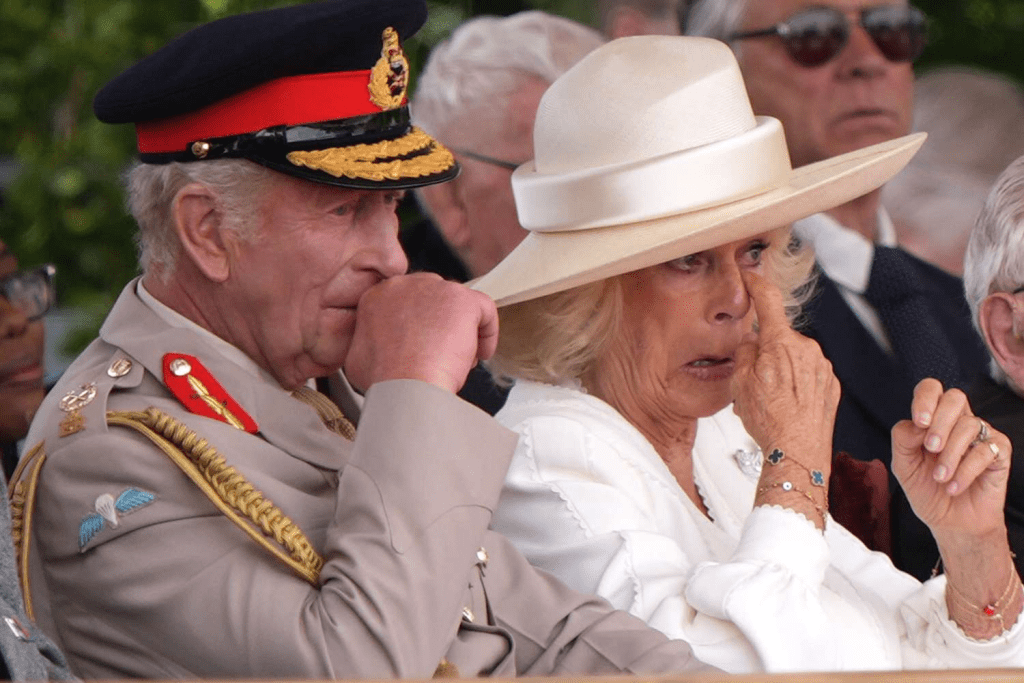
The reign of King Charles III and Queen Camilla has entered one of its most turbulent chapters yet, defined by mounting health concerns, deep family divisions, and growing controversies that are testing the resilience and relevance of the British monarchy itself. Less than two years after his historic accession to the throne in September 2022, Charles finds himself at the center of intense public scrutiny, as questions about the future stability of the institution grow louder both in the United Kingdom and across the Commonwealth.
A Crown Under Pressure 👑
For King Charles, the crown has brought immense symbolic power — but also unrelenting expectations. Succeeding his late mother, Queen Elizabeth II, whose 70-year reign symbolized continuity and steadfastness, Charles inherited not just the throne but also the responsibility of preserving an institution facing unprecedented challenges in a rapidly changing world.
Since taking over, he has faced:
- Health concerns — Reports about Charles’s own well-being have sparked speculation and uncertainty. While palace officials remain tight-lipped, recent appearances have fueled public curiosity and concern over the monarch’s ability to shoulder his royal duties long-term.
- Family fractures — The rift with Prince Harry and Meghan Markle continues to dominate headlines. Their strained relationship with the rest of the royal family has sparked debates about transparency, tradition, and the monarchy’s place in modern society.
- Public image struggles — With the passing of the beloved Queen Elizabeth II, Charles and Camilla have faced the challenge of earning the same level of respect and affection. Despite efforts to modernize the monarchy’s image, lingering controversies — from past scandals to perceptions of favoritism — continue to divide public opinion.
- Institutional doubts — Growing calls for republicanism in Commonwealth nations such as Australia, Jamaica, and Canada have added pressure to Charles’s reign, raising questions about whether the monarchy can maintain its relevance on a global stage.
Balancing Tradition and Modernity
Unlike his mother, who embodied stability and quiet dignity, Charles has long been seen as a reformer — someone eager to modernize royal traditions while still upholding centuries-old customs. However, this balancing act has proven difficult. While younger generations increasingly demand transparency and a less rigid institution, more conservative supporters fear that too much change could erode the monarchy’s very foundation.
As these pressures mount, Queen Camilla has also stepped into a more prominent role, quietly supporting her husband while navigating her own public perception challenges. Though once viewed as a controversial figure, her steady presence and commitment to royal duties have helped soften opinions over time.
The Road Ahead
With the monarchy under constant media scrutiny, Charles’s reign could define not only his personal legacy but also the future of the British royal family. Decisions made in the coming years — from handling family disputes to addressing calls for reform — will shape how history remembers this era.
For now, the crown remains a symbol of unity, but beneath the pageantry lies a fragile institution grappling with change. As one royal historian recently put it, “King Charles is walking a tightrope between honoring the past and preparing for the future — and the entire world is watching.”